Español
 русский
 Français
 عربي
عربي Italiano
 Deutsche
 中文
中文


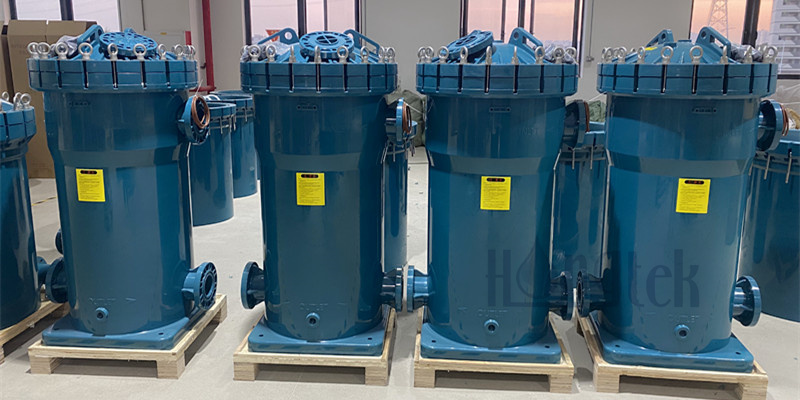
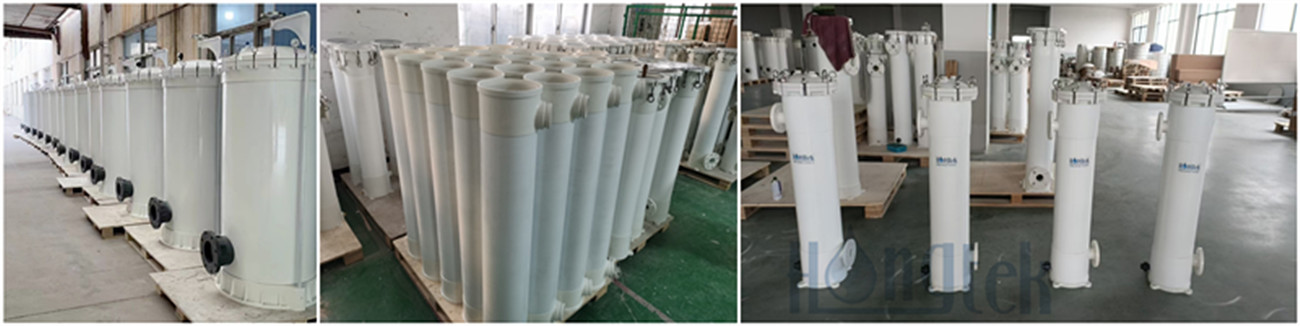
FRP filter housings offer high strength and good heat resistance for most conditions, ideal for high-pressure water treatment. PPH filter housings are lighter, smoother, and cheaper, but have narrower heat tolerance. For harsh, corrosive, or high-stress jobs, choose FRP. For mild conditions where easy maintenance matters, choose PPH. Both have their place depending on your specific needs.
1. Corrosion Resistance
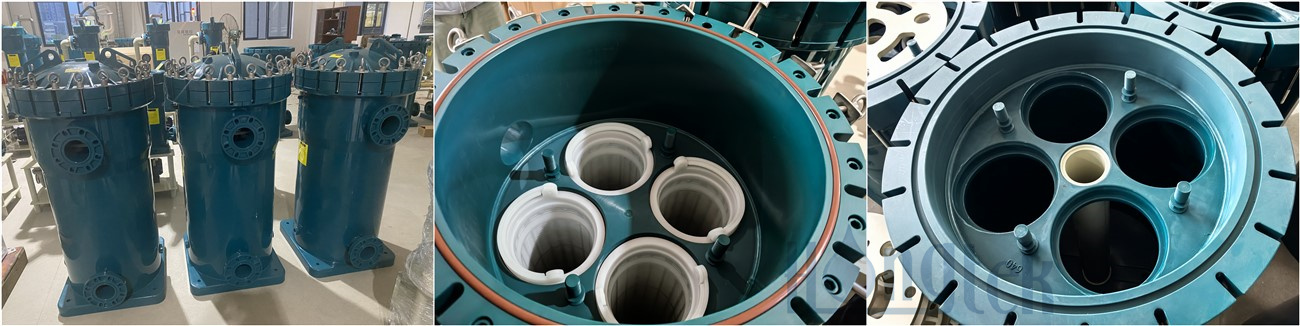
FRP resists most acids but degrades in strong alkalis, halogens, or high chlorides like seawater. PPH resists the full pH range, handles high chlorides and mixed acids well. Its dense structure blocks permeation far better than FRP, stopping internal corrosion before it starts. This makes PPH a safer choice for aggressive chemical environments.
2. Temperature Resistance
FRP works for most normal temperatures. Too high, resin softens; too low, it gets brittle. PPH handles a wider range, stays stable in most industrial settings, and tolerates higher short-term heat. It stays tough in cold and handles temperature swings better than FRP, giving it an edge in variable thermal conditions.
3. Mechanical Strength and Impact Resistance
FRP has high tensile and bending strength but is brittle. Sharp impacts cause cracks. PPH Plastic Multi Cartridge Filter Housing has slightly lower tensile strength but much better toughness, with very high elongation at break. Its impact strength is much higher, making it great for rough handling and tough job sites where accidental drops or strikes may occur.
4. Aging Resistance and Weather Resistance
FRP is UV-sensitive. Long outdoor use causes fading, chalking, and strength loss. It needs regular coatings or indoor shelter. Plain PPH has moderate UV resistance. With UV stabilizers, it lasts much longer outdoors, showing no major aging and cutting maintenance needs significantly over the life of the equipment.
5. Inner Surface Smoothness and Fluid Resistance
FRP has a rough inner surface with uneven welds. It scales up over time, raising pressure drop and cleaning frequency. PPH has a very smooth inner surface and smooth welds. It resists scaling and lowers flow resistance. At equal flow, PPH uses noticeably less energy, reducing operating costs over the long term.
6. Environmental Impact and Lifecycle Cost
FRP is thermosetting. Broken parts cannot be melted or recycled. Disposal is costly with no scrap value. PPH is thermoplastic and fully recyclable into new products. Scrap has good value. PPH needs no frequent coating repairs, so its long-term total cost is lower, making it more economical over the equipment's full life.
Summary
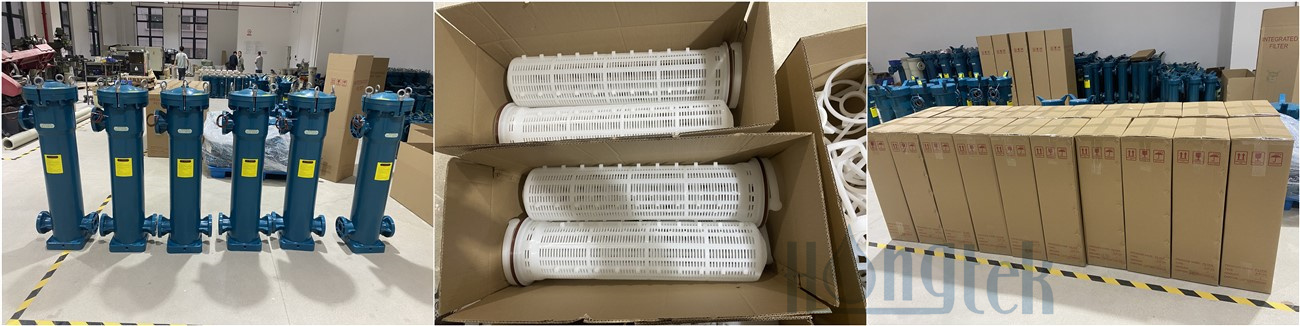
For strong alkalis, mixed acids, high chlorides, seawater, desulfurization, high-purity water, food, or pharma uses, and where temperature swings or impacts happen, pick PPH. Only for extreme heat with very high acid levels, or very large onsite-built equipment, consider Horizontal FRP Single High Flow Filter Housing as a viable alternative when conditions demand it.
Hongtek Filtration Co., Ltd.

Copyright © Hongtek Filtration Co., Ltd. All Rights Reserved | Sitemap